
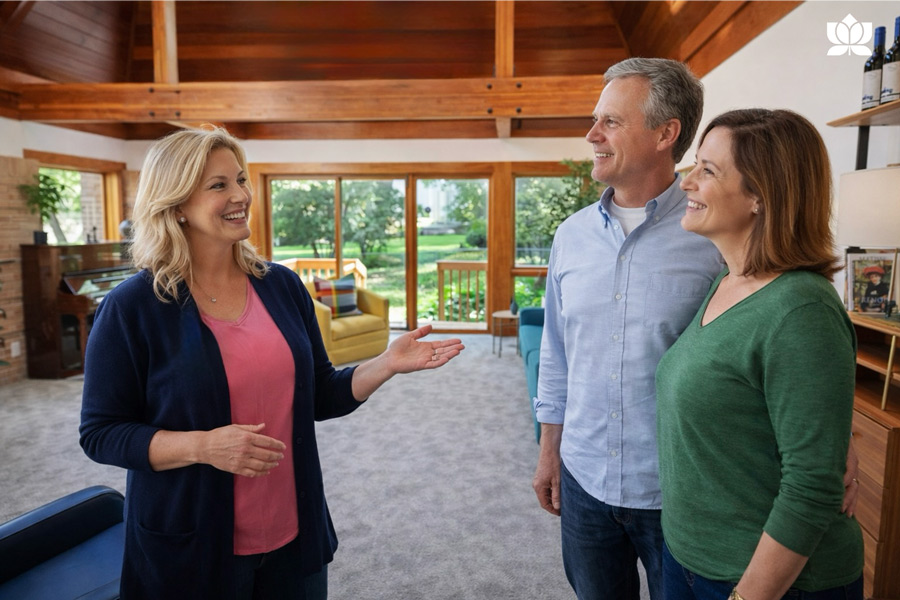
Eight Questions to Ask When Touring a Memory Care Facility

And what to look for as you are walking around

For many families, touring memory care communities is one of the most emotional steps in the caregiving journey. You want to find a place where your parent will be safe, respected, and genuinely cared for—but it can be difficult to know what questions truly matter during a tour.

Beautiful buildings, activity calendars, and a friendly admission director are great, but the deeper details of care reveal the most about how residents are supported day to day.
 
If you are beginning to explore memory care options, the following questions can help you look beyond the surface and better understand the quality of care a community provides.
 

1. What is the staff-to-resident ratio?

Staffing levels are single most important factor to ask when determining whether your loved one will receive quality care in a memory care environment. Ask:
  • How many caregivers are present during the day
  • What staffing looks like in the evening
  • How many caregivers are present overnight

You need to understand the how many residents each caregiver supports, referred to as the caregiver-to-resident ratio during each shift. Lower staffing ratios generally allow caregivers to spend more time with each resident and respond more quickly when assistance is needed.


2. What training do caregivers receive in dementia care?

Caring for individuals living with dementia requires specialized knowledge and patience. While Minnesota law requires dementia training of all caregiver in a memory care environment, the training curriculum varies widely between facilities. When touring a community, ask:
  • How many hours of training do caregivers receive before working with residents?
  • Is the training delivered in person or via video?
  • How often additional training is provided?
  • Whether staff receive real-time guidance when responding to residents who are wandering, confused, or suffering from anxiety?


Communities that invest in dementia-specific education are often better prepared to support residents with compassion and understanding. And communities that prioritize calm communication, patience, and reassurance often create a more supportive environment for residents.


3. How does the community monitor changes in health?

Older adults living with dementia often experience changes in both physical and cognitive health. Ask how the community identifies and responds to those changes.
 
Helpful questions include:
  • How often are nurses involved in overseeing resident care?
  • How many nurses are present during the day?
  • What is the are present during the evening?
  • How are families notified when their loved one’s dementia changes?
  • How are families notified when their loved one’s care plan changes?


Communities that monitor residents closely can often identify concerns early and prevent unnecessary hospitalizations.


4. What does a typical day look like?

Activity calendars can look impressive, that’s what they’re designed to do, but it is important to understand what daily life actually feels like for residents. Ask staff to describe:
  • How mornings typically begin
  • What happens if a resident is not interested in participating in a scheduled activity?
  • What happens between scheduled activities?
  • How residents are engaged if they prefer quieter interactions


A well-designed memory care program balances structured engagement with calm, predictable routines and individualized engagement tailored to the preferences and needs of each resident.


5. How do caregivers get to know each resident personally?

People living with dementia benefit greatly when caregivers understand their personal history, preferences, and routines. Ask how the community learns about each resident’s life story and how that information is incorporated into daily care. The best communities take time to understand who each resident is—not just the care tasks they require.


6. How does the physical environment support residents with memory loss?

The design of a memory care environment significantly affects how comfortable and oriented residents feel. Look for features such as:
  • Simple layouts that are easy to navigate
  • Comfortable spaces that feel homelike rather than institutional
  • Natural lighting
  • Quiet areas where residents can relax


Environments that feel calm and predictable often reduce anxiety for individuals living with dementia.


7. What happens if care needs increase?

Dementia is a progressive condition, and care needs often change over time. Ask whether residents can remain in the community if their condition progresses or if additional medical support becomes necessary.
 
If the community can accommodate disease progression, make sure to understand how increased care will impact the cost of residency.  Most facilities advertise a low cost to get customers through the door, then increase the monthly bill as soon as needs change over time.
 

Understanding this ahead of time can prevent stressful transitions later.


8. How long do caregivers and senior staff typically stay working here?

Staff stability is one of the strongest indicators of quality care. When staff remain with a community for long periods of time, they get to know residents deeply and develop strong relationships with families. Frequent turnover can make it harder for residents to feel secure and understood.
 

Just as important is to understand the longevity of the two most important roles in a memory care environment. Ask for the tenure of both the facility’s Administrator (the community’s general manager), as well as its Director of Health Services (the community’s head nurse). High turnover in either of these roles is a red flag.


Trust What You Observe During a Tour

During tours, families often focus on amenities and activities. One of the most important things to understand, however, is how caregivers actually spend their time during a shift.

In larger communities, caregivers may be responsible for many residents at once. When staffing levels are stretched, much of their time can be spent assisting residents with basic needs such as dressing, meals, and medications.

While these tasks are essential, they often leave no time for meaningful interaction or individualized engagement. For individuals living with dementia, personal attention and familiarity can make an enormous difference in how safe and comfortable they feel.

Stop and talk to caregivers during your tour. Ask them to describe what they do during a typical shift. If they are unable or choose not to engage with you one-on-one, you can be assured they won’t be meaningfully engaged with your loved one becomes a resident.

Additionally, pay attention to how staff are interacting with residents.

  • Do caregivers speak warmly and respectfully?
  • Do residents appear comfortable and relaxed?
  • Does the environment feel calm and welcoming?


Often, these small details provide the clearest insight into what daily life in the community truly looks like.


You Don’t Have to Navigate This Alone

If you are exploring memory care options in the Twin Cities, it can sometimes help to speak with someone experienced in dementia care who can listen to your situation and help you think through your options.

At English Rose, our goal has always been to support families wherever they are in the caregiving journey. We regularly talk with families who are simply trying to understand what the next step might look like. Sometimes even a short conversation can bring clarity and reassurance during a difficult time.

Free Consultation

Take advantage of our free consultation to learn more about how English Rose can help you live independently in the comfort of your own home. Give us a call at 612-368-5547, email us at hello@englishrosecare.com, or fill out the form below.